Darviq Systems is run by Ravi Shekhar Reddy, a cloud and platform architect in Bangalore working across cloud, AI and robotics.
Before founding Darviq Systems I worked as a Technical Architect on large-scale AWS, OpenStack and Kubernetes platforms for enterprise and telecom customers: leading the move of production microservices from OpenStack to Amazon EKS, automating environments with Terraform and Ansible, and working onsite with international customers as their main technical contact.
I founded Darviq Systems to offer that same platform work to smaller teams and to build products of our own across cloud, AI and robotics: Darviq-Health for clinics, with AI drafting for doctors; Darviq-Observability, automated monitoring across Prometheus, Grafana, Loki, Zabbix, Datadog and Splunk; Darviq-Humanoid, a robotics simulation with a learned controller; and Darviq-Quantum, a quantum computer simulated from scratch. Find me on LinkedIn.
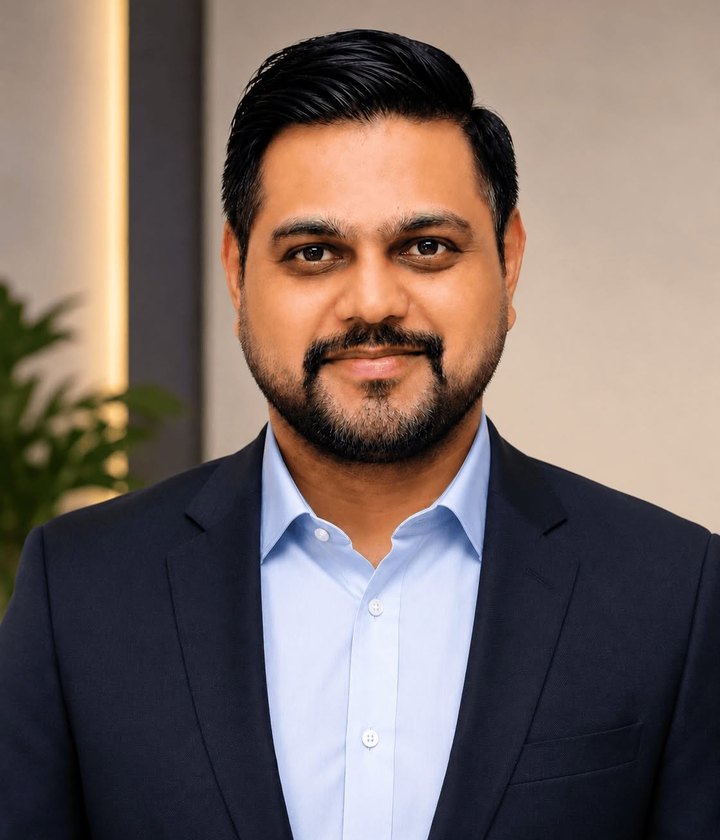
Enterprise and telecom-scale platforms on AWS, OpenStack and Kubernetes, including onsite delivery with international customers.
Cloud platforms for connected devices in very large numbers, built and deployed to run around the clock.
Production microservices moved from OpenStack to Amazon EKS in phases, with tested cutovers and rollback plans.
Environments described in Terraform and Ansible, so a new one takes minutes instead of days and every change is reviewed.
AWS and Kubernetes spend brought down by right-sizing clusters and removing waste, without giving up reliability.
A short call is the quickest way to find out whether I can help.